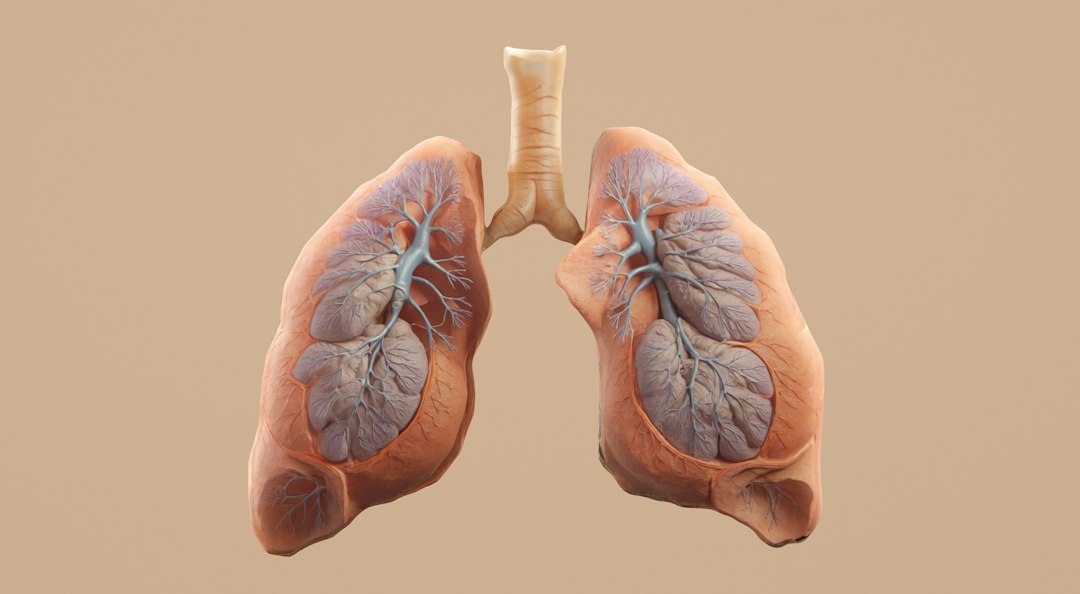
Introduction
If you've ever felt that heavy, rattling sensation in your chest or struggled to clear your throat after a cold, you've experienced what many people deal with regularly: mucus buildup in lungs. It's one of the most common complaints we hear from adults over 40, and for good reason. As we age, our respiratory system becomes less efficient at managing the mucus our bodies naturally produce. The problem isn't always that we make too much mucus—it's that our lungs have a harder time clearing it out. Understanding why this happens and what you can do about it is the first step toward breathing easier. In this article, we'll explore the science behind mucus accumulation, why it gets stuck, and practical strategies to help your body manage it more effectively.
Understanding Mucus Buildup in Lungs: How It Happens
Mucus is actually essential for healthy lungs. Your respiratory tract constantly produces a thin layer of mucus that traps dust, bacteria, and other irritants before they can damage delicate lung tissue. In a healthy system, tiny hair-like structures called cilia line your airways and beat in coordinated waves to move that mucus upward and out of your lungs. When everything works as intended, you don't notice any of this happening.
The problem begins when this natural clearance system becomes compromised. Several factors can slow down or damage your cilia, leading to mucus buildup in lungs causes that range from temporary to chronic. Cigarette smoke—whether you smoke or breathe secondhand smoke—is one of the most damaging culprits. A 2019 study published in the American Journal of Respiratory and Critical Care Medicine found that smoking directly paralyzes cilia function, making it nearly impossible for your lungs to clear mucus efficiently. Environmental pollutants, dry indoor air, dehydration, and certain medical conditions like COPD and asthma all contribute to the problem.
Age itself plays a role too. As we move through our 40s, 50s, and beyond, our immune systems become less robust, our mucus-producing glands can become overactive or produce thicker mucus, and our cilia lose some of their coordinated beating power. Infections—whether viral, bacterial, or fungal—can temporarily damage cilia or trigger excessive mucus production. Even seemingly unrelated conditions like acid reflux can irritate airways and prompt the body to produce more protective mucus. Understanding these root causes helps explain why the problem is so difficult to resolve with a simple cough or a single dose of medicine.
Signs and Symptoms of Excessive Lung Mucus
Recognizing the signs that you have too much mucus in your lungs is the first step toward addressing the issue. The most obvious symptom is a persistent cough—often worse in the morning when you've been lying down all night and gravity hasn't helped drain the mucus naturally. This cough may produce phlegm that ranges from clear to yellowish or greenish. Some people describe it as a "wet" cough that seems productive, while others experience a dry tickle that never quite produces anything.
Shortness of breath is another common symptom, especially when climbing stairs or exerting yourself. This happens because thick mucus literally blocks airways, forcing your lungs to work harder to move air through. You might also notice wheezing or a rattling sensation in your chest when you breathe deeply or cough. Some people report a sensation of congestion or heaviness in the chest, almost like something is sitting on their lungs. Post-nasal drip—where mucus runs down the back of your throat from your sinuses—often accompanies lung mucus issues and can make the problem feel worse.
Sleep disturbances are remarkably common with excessive mucus buildup in lungs. Lying flat allows mucus to pool in your airways, triggering coughing fits that interrupt your rest. You might find yourself propping up pillows or sleeping in a semi-upright position to minimize nighttime symptoms. Some people notice their symptoms worsen in humid or dry environments, after eating certain foods, or during specific times of day. Recurrent respiratory infections—catching colds or bronchitis more often than you used to—can also signal that your lungs aren't clearing mucus as effectively as they should be, leaving you vulnerable to secondary infections.
The Impact of Chronic Mucus Buildup on Daily Life
Living with persistent mucus in your lungs takes a real toll that goes beyond the physical symptoms. The constant coughing can be embarrassing in social situations, work meetings, or public spaces, leading many people to withdraw or feel self-conscious. The fatigue that comes from disrupted sleep compounds over weeks and months—your body never gets truly restorative rest because you're waking frequently to clear your airways.
Physical activities that you once enjoyed become harder. Climbing stairs, walking briskly, or playing with grandchildren might leave you breathless in ways that feel disproportionate to the effort. This physical limitation can lead to a vicious cycle: as you move less, your overall fitness declines, and your lungs become even less efficient at clearing mucus. Some people report that the anxiety about their symptoms—worrying they'll cough during important moments or that their condition is worsening—creates additional stress that actually makes breathing feel more difficult.
The good news is that understanding why mucus buildup in lungs causes these problems is empowering. It means you're not just dealing with an isolated symptom but addressing a systemic issue that responds to targeted interventions. Many people find that a combination of lifestyle changes, environmental adjustments, and nutritional support significantly improves their ability to manage symptoms and feel more like themselves again.
Natural Approaches and Lifestyle Changes for Mucus Management
One of the most powerful tools you have is hydration. Dehydrated mucus becomes thick and sticky, making it even harder for your lungs to clear. Drinking adequate water throughout the day—aim for at least 8-10 glasses—helps thin mucus so your body can expel it more easily. Herbal teas, especially warm ones with ginger or turmeric, can be particularly helpful because the warmth loosens secretions while these herbs offer their own respiratory support properties.
Steam inhalation is another simple but effective technique. Breathing in steam from a humidifier, hot shower, or a bowl of hot water helps soften mucus and relax your airways. Many people find that doing this for 10-15 minutes in the morning helps them cough up accumulated mucus from the night before. Positioning matters too—sleeping with your head elevated on extra pillows helps gravity assist mucus drainage rather than allowing it to pool in your lungs while you sleep.
Gentle exercise, like walking or swimming, helps mobilize mucus. Movement encourages your cilia to work more effectively and helps loosen secretions so you can cough them out. Avoid intense exercise when you're actively congested, but gentle, consistent movement most days of the week supports lung clearance over time. Breathing exercises can also help—techniques like pursed-lip breathing or diaphragmatic breathing encourage deeper air exchange and help dislodge trapped mucus. Environmental control matters significantly too. Use a humidifier in dry climates or seasons, avoid smoke and strong chemical fumes, and consider air purifiers if you live in an area with high pollution. This is why many adults turn to targeted respiratory support formulas—one such option is Pulmo Balance, which combines nutrients known to support mucus clearance and overall lung function.
Nutrients and Dietary Support for Lung Health
What you eat directly affects your body's ability to manage mucus. Certain nutrients have been specifically researched for their role in supporting mucus clearance and respiratory function. Vitamin C is well-documented as an immune supporter, but it also plays a role in maintaining healthy mucus membranes. A study in the Respiratory Medicine journal found that adequate vitamin C intake correlated with better mucus clearance in older adults. Citrus fruits, berries, and leafy greens are excellent sources, and most adults over 40 benefit from ensuring consistent intake.
Omega-3 fatty acids, found in fatty fish like salmon and mackerel, have anti-inflammatory properties that can help reduce the excessive mucus production triggered by inflammation. Several studies suggest that people with adequate omega-3 intake experience fewer respiratory infections and less mucus congestion. If you don't eat fish regularly, consider asking your healthcare provider about supplementation.
Vitamin A supports the health of mucous membranes throughout your body, including those in your lungs. Beta-carotene from orange and red vegetables like sweet potatoes, carrots, and bell peppers converts to vitamin A in your body. Zinc, found in oysters, beef, and pumpkin seeds, supports immune function and has been shown in research to reduce the duration of respiratory infections. Selenium, present in Brazil nuts and whole grains, works as an antioxidant to protect lung tissue.
It's equally important to consider what to limit. Foods that trigger inflammation or excess mucus production should be minimized. For many people, this includes dairy products—though this varies by individual, as some research suggests only certain people experience increased mucus with dairy. Similarly, sugar and highly processed foods can increase inflammation throughout your body. Staying well-nourished with whole foods, adequate protein for tissue repair, and plenty of colorful vegetables and fruits gives your body the resources it needs to support healthy mucus clearance and lung function.
Frequently Asked Questions
Why does mucus buildup get worse at night?
When you lie down, gravity no longer helps move mucus upward and out of your lungs. Mucus pools in your airways, triggering coughing as your body tries to clear it. Sleeping with your head elevated on 2-3 pillows helps gravity work with your body rather than against it, reducing nighttime symptoms for many people.
How long does it take to clear lung mucus naturally?
This depends on the cause and severity. For acute mucus buildup from a cold, you might notice improvement within 1-2 weeks with supportive care. For chronic conditions, consistent lifestyle and dietary changes typically show noticeable benefit within 3-4 weeks, though continued improvement can continue for several months as your lungs rebuild their natural clearance efficiency.
Can dietary changes really help with mucus buildup in lungs?
Yes, absolutely. Anti-inflammatory foods, adequate hydration, and specific nutrients like omega-3s and vitamin C directly support your body's natural mucus clearance mechanisms. While diet alone won't cure underlying lung disease, it's a foundational component of any comprehensive approach to managing respiratory health.
Related Reading
For more information about respiratory wellness, explore these complementary articles:
Dealing with persistent mucus in your lungs can be frustrating, especially when basic coughing and hydration aren't providing relief. If you're looking to explore a more targeted approach, Pulmo Balance is formulated specifically around the nutritional factors discussed in this article. Visit our homepage to learn more about the ingredients and see if it might be a helpful addition to your lung health routine.